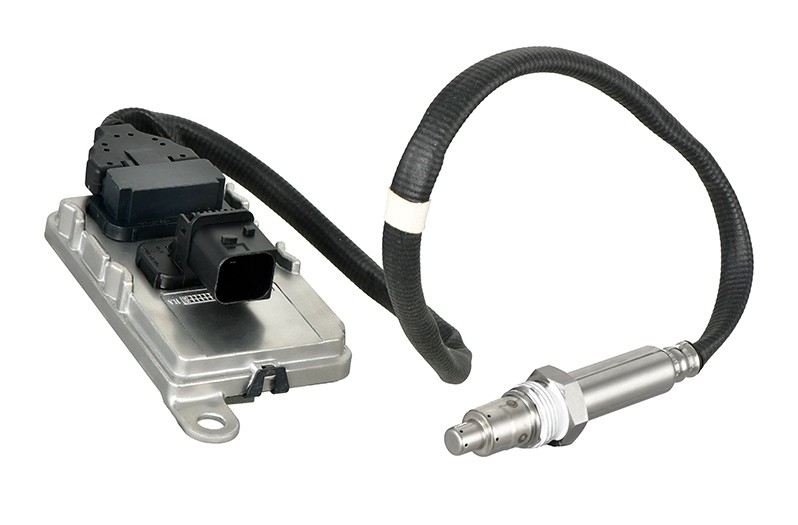
NOx Sensor

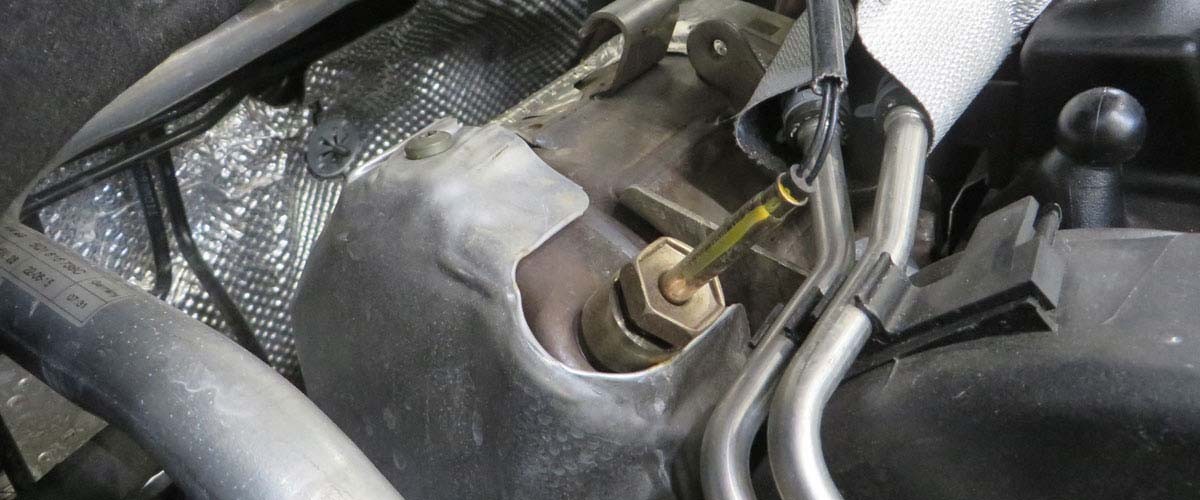
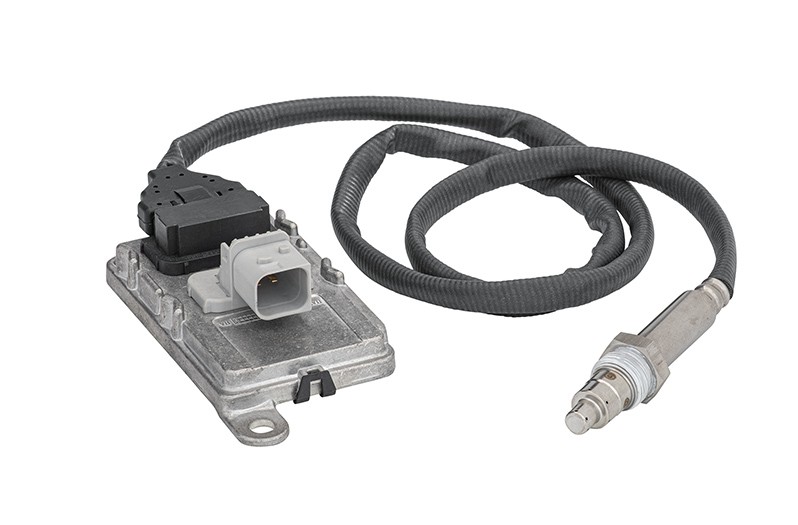
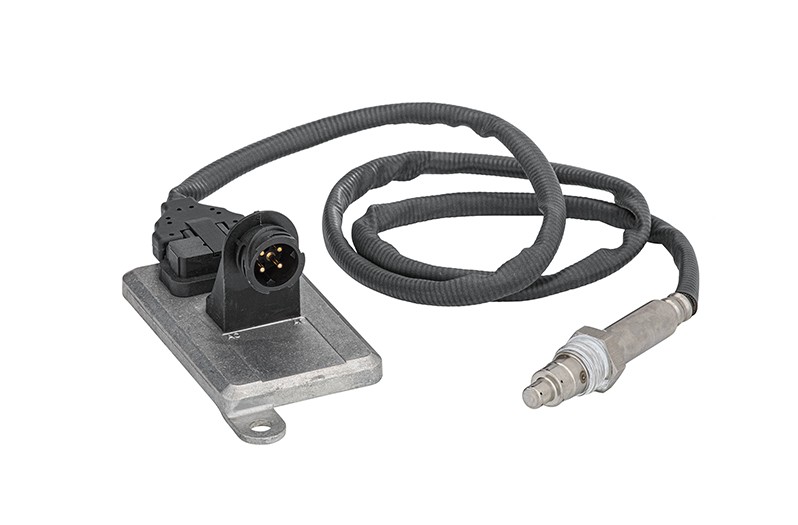
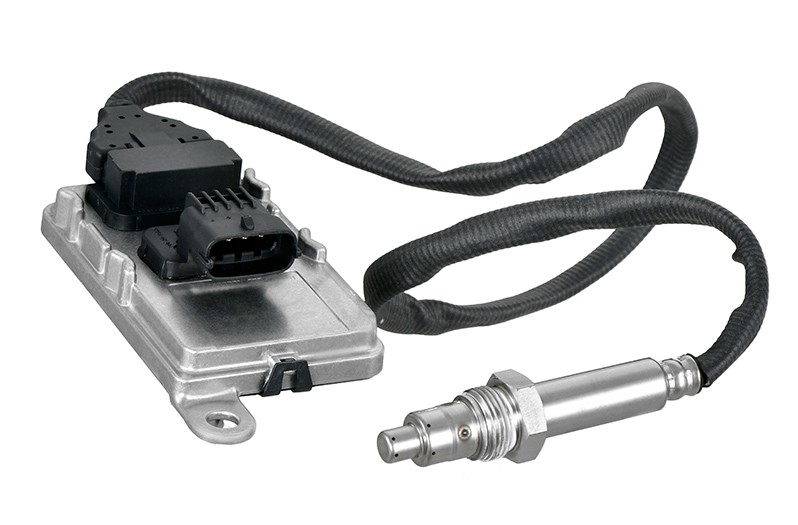
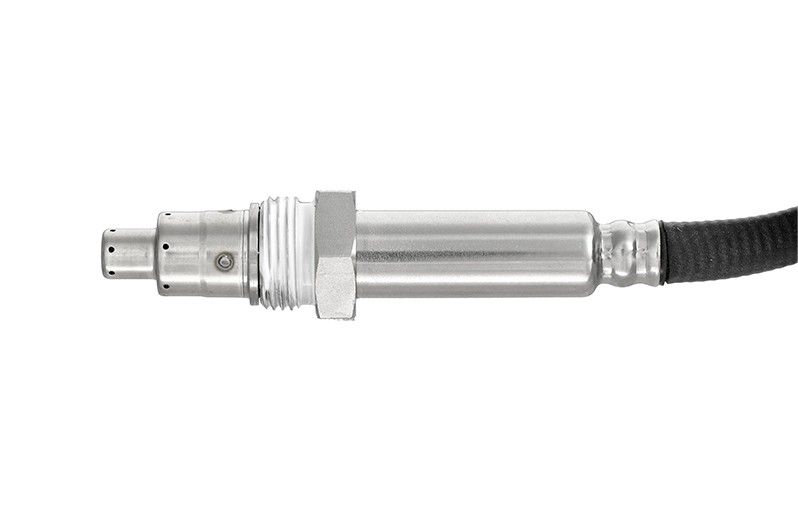
The NOx sensor comprises a probe and a control unit. Via a cable harness these are firmly connected with each other to form a unit. This sensor unit is installed in the exhaust gas system and is used to recognize nitrogen oxides in the flow of exhaust gas.

The NOx sensor is an important component in the posttreatment system to reduce NOx, which is used in diesel vehicles with urea-based SCR systems (selective catalytic reduction). The sensor enables compliance with the stringent emission values starting from Euro 5 norm onwards. Consequently, the NOx sensor guarantees an optimal dosage of AdBlue by the engine system, thus bringing about an effective reduction of nitrogen oxides which are harmful to the environment.

HELLA's product portfolio in this area is continuously being expanded and further developed. Discover our high-quality NOx sensors.

  • Tested in accordance with HELLA quality standards

  • Complies with OEM specifications

  • The product has been developed with particular attention being given to resistance to engine vibrations and also to increased temperatures

  • NOx sensors are standard equipment on passenger cars, light and heavy commercial vehicles covering both Euro 5 & 6 applications

Spare Parts Finder
Manual vehicle identification OE-No.
Top manufacturers
Other manufacturers

Vehicle series Back
Vehicle Back

Enter the OE number in the input field. You will usually find the OE number on the spare part itself or in the vehicle documents.

Spare Parts Finder
Also determine spare parts with OE numbers Detailed product information Find wholesalers near you
dummy
Processing Selected Car
Manufacturer
Vehicle series
Vehicle
Engine output
Engine displacement
Fuel type
Construction year
Engine code

Choose category:
Back
dummy
Teilen Sie
Send via Copy link
URL copied to the clickboard !
Article NUmber
Number
Article Number Was Copied !
Search The Web Mounting Instructions
More Details
Name Value
Less Details

Your Dealer
Autoteile Krammer GmbH
dummy
Lechstraße 1-3
68199 Mannheim
Show Map

HELLA NOx Sensors - How to identify the new part

In this animation, we’ll guide you through the process of identifying the correct NOx sensor for any vehicle using its Vehicle Identification Number (VIN).

Additional information on our NOx Sensor

Universal parts – spare parts that are not vehicle-specific

Universal parts – spare parts that are not vehicle-specific

The universal parts catalogue enables you to search for lighting and electrics/electronics products that are not vehicle-specific.

Universal parts catalogue
Vehicle-specific spare parts

Vehicle-specific spare parts

Our online catalogue is designed to make it easier for you to search for spare parts. This means that you can, for example, enter the relevant vehicle by using our comprehensive manufacturer list, the type designation or the engine code.

Vehicle-specific spare parts

Technical product information

Technical product information

In dieser Datenbank finden Sie technische Informationen zu unseren Produkten und zu bestimmten Fahrzeugsystemen – aufbereitet von erfahrenen Technikern und Mechanikern.

Technical product information

FAQ - Frequently Asked Questions

Why must upstream and downstream NOx sensors never be swapped?

Upstream and downstream sensors operate in very different exhaust environments. Each is engineered with specific measurement ranges and software logic. Interchanging them can lead to incorrect readings, system faults, and compromised emission control.

Why is exact reference number matching so important?

Even sensors that look identical can differ internally in software calibration, heating strategy, and signal processing. Matching the correct reference number ensures seamless ECU communication and reliable system operation.

What best practices help ensure a successful NOx sensor replacement?

A professional diagnostic check before replacement helps confirm the root cause of the fault. After installation, a post‑repair system check ensures correct communication, fault‑free operation, and optimal interaction between all exhaust aftertreatment components.

What happens if a vehicle is driven with a faulty NOx sensor (e.g. fault codes P2200 or P229F)?

When a NOx sensor malfunction is detected, the engine control unit activates an emission‑protection strategy defined by the manufacturer. This may include torque limitation or speed reduction after a countdown, encouraging timely repair while protecting the exhaust system.

What factors can reduce the service life of an NOx sensor?

The most common causes are poor engine condition and insufficient maintenance. Oil contamination, incorrect combustion, or excessive soot can damage the sensitive sensor element and shorten its lifespan. Proper engine care directly supports long‑term sensor performance.

Which components are at risk if an NOx sensor fault (e.g. P1033 – SCR efficiency below threshold) is ignored?

An incorrect NOx signal can disrupt SCR operation, potentially leading to overheating or chemical damage of high‑value components such as the SCR catalyst or DPF. Timely sensor replacement helps prevent costly secondary damage.

What are the basic checks that need to be done when diagnosing a NOx fault code?
  • Ensuring that the sensor has a proper 12V power supply from the vehicle electronics.
  • Ensuring that the 2 CAN wires (High & Low) are intact and are able to communicate to the main ECU.
Can the overall health of the engine influence the performance and lifespan of the NOx sensor?

Yes, it is very important that it is made sure that the engine does not suffer from any kind of coolant consumption or excessive oil consumption that could directly lead to the contamination of the sensor reading head.

Further technical information

Other products

Quick question

How likely is it that you would recommend HELLA?

highly unlikely
very likely
highly unlikely
very likely

Thank you very much!

Your feedback helps us to further develop our services.