Drumming is in again thanks to e-cars: The comeback of the drum brake

With the rise of electromobility, a proven, almost forgotten technology is experiencing a surprising revival: The drum brake. Where it was long considered outdated, today it is once again making a big impression with its technical advantages – especially on the rear axle of electric vehicles. HELLA is counting on a perfected product range and cutting-edge quality assurance.
Why are manufacturers once again focusing on the drum brake?
The trend is crystal clear: More and more manufacturers are choosing to fit drum brakes on the rear axle of electric cars. There are good reasons for this. As a large part of the braking performance when decelerating an electric car is generated by recuperation (recovery of kinetic energy during braking), the rear mechanical brakes are used less frequently. This makes the drum brake – with its closed-in design and robust technology – the ideal solution.
Drum brakes and electric mobility – a perfect duo
Especially in small and compact vehicles, where economy and efficiency are required, the drum brake certainly scores with several advantages. It weighs less and effectively protects against dirt, water and dust thanks to its closed-in design. As a result of the reduced wear, it means that maintenance intervals are longer, a bonus which not only reduces running costs but also minimises workshop times. And there is yet one more factor in the equation: Because of its self-reinforcement design, the drum brake develops a high braking force – with comparatively low pedal pressure.
Maintenance and replacement - what's important?
Drum brakes are considered to be durable – but they, too, are subject to wear. If the friction material becomes brittle or individual elements such as return springs or adjustment mechanisms become loose, it can lead to malfunctioning. Stuck pistons, corroded drums or leaking wheel brake cylinders are also a clear sign that it is time for a replacement. We recommend changing the brakes on both sides of the axle at the same time in order to ensure an even braking effect.
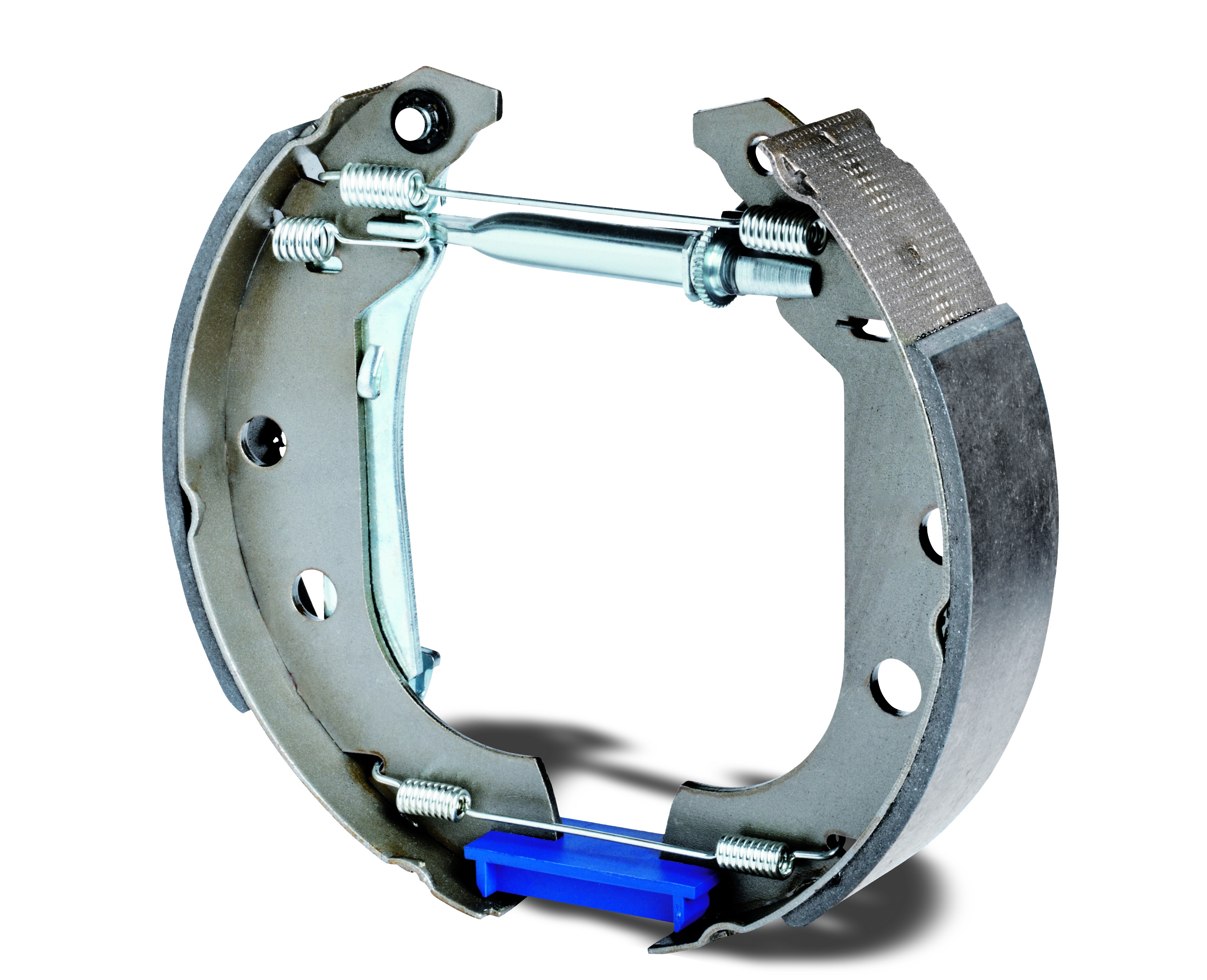
Special attention should be paid to the springs which are crucial for the silent and vibration-free operation of the system. Timely replacement ensures that the springs generate sufficient tension – and thus the function of the entire brake system is reliably maintained.
Technology with a history – and a future
It is indeed a fact that the first car was fitted with a drum brake. It was not until the 1970s that disc brakes began to establish themselves as the standard. Today – in the age of electromobility – the drum brake is celebrating its comeback. Not as a relic of the past, but as an optimised solution for the mobility of the future.
Tested quality – right from the start
As with all safety-relevant components, the drum brake from HELLA is subject to the strictest quality standards. All components have to undergo extensive testing before they go into series production. Zinc coatings and full-surface bonding give additional protection to the components against corrosion. And a perfect fit ensures that the braking performance is right from the very first moment. The aim: maximum safety, consistent performance and long-term, trouble-free operation in everyday vehicle use.
Practical and easy to maintain
The brake shoe kits from HELLA are particularly workshop-friendly, as they contain all the necessary components for a complete replacement on both axle sides – including wheel brake cylinders and accessories. This avoids sources of error during installation, saves time and increases operational safety.
And here's the conclusion: Drum brakes rethought – with HELLA
With more than 1,000 different parts, HELLA offers a wide, practical range covering all aspects of drum brake products. From ease of installation to premium quality, from the choice of materials to corrosion resistance: Each component is the result of many years of development and close co-operation with workshops. The drum brake is back – and it's better than ever!