
Research project “KOLLEKT” develops circular vehicle components
- Interdisciplinary consortium project uses a headlamp to investigate how circular value chains can be created
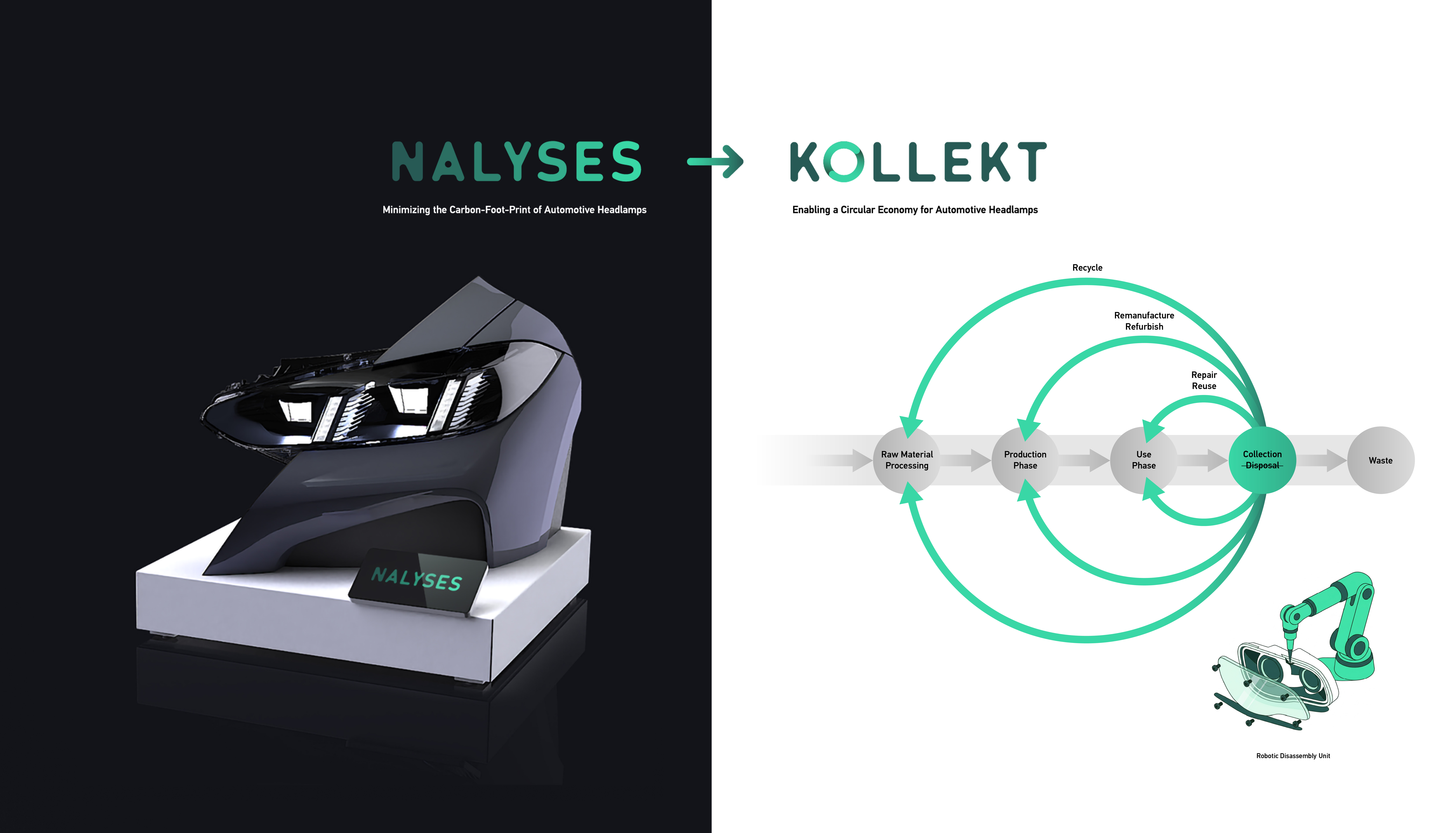
- Focus on a “Design for Circularity” approach based on the four levers of Repair, Re-Use, Remanufacture and Recycle
- Research project uses AI-based robots and digital product twins
- KOLLEKT provides important insights for the goal of achieving a climate-neutral value chain
Lippstadt, 5 August 2026. From today’s headlamp to tomorrow’s resource: How can vehicle components and other industrial products be designed for circularity? This is the question being investigated by the international automotive supplier FORVIA HELLA in the new KOLLEKT funded research project, together with BMW, Covestro, Geba, Fraunhofer IEM, Fraunhofer UMSICHT, Paderborn University, Hamm-Lippstadt University of Applied Sciences, the Helmholtz-Zentrum Dresden-Rossendorf (HZDR) and SW Maschinenservice. The three-year research project is funded by the German Federal Ministry of Research, Technology and Space (Bundesministerium für Forschung, Technologie und Raumfahrt, BMFTR) under the CircularGlowUp funding guideline and is managed by Projektträger Karlsruhe (PTKA).
“Today, headlamps, like many other products, are still rarely used in genuine circular systems. We are therefore researching how materials can remain in use for longer, be reused and help significantly reduce resource consumption. In other words, together with our partners, we are examining how today’s headlamp can become tomorrow’s raw material. This will provide important insights for our goal of achieving a climate-neutral value chain,” says Dr. Michael Kleinkes, responsible for global lighting development at FORVIA HELLA.
The KOLLEKT research project focuses particularly on developing and implementing circular product concepts based on a “Design for Circularity” approach. This means designing products for recyclability and reuse from the outset. The approach is therefore based on the four “R strategies”: Repair, Re-Use, Remanufacture and Recycle. Today’s headlamps are designed for a single service life and optimized for assembly. As a result, repairs are only possible to a very limited extent. KOLLEKT will therefore investigate how future headlamps can be made repairable and partially reusable, as well as which production and logistics processes will be required.
A key element of the research is the development of a flexible disassembly cell. Robots and AI-based data processing will provide the foundation for reusing and recycling products on an industrial scale. A digital product twin will be used to disassemble assemblies precisely, automatically and, wherever possible, by material type. The process will be supplemented by optimized downstream sorting, which removes contaminants and separates plastic fractions. The materials will then be characterized and processed for mechanical and partial chemical recycling. The project also aims to empower people as part of the new value creation system. Their expertise and involvement will be essential for implementing circular product design and enabling a circular economy in practice.
KOLLEKT builds on the findings of the predecessor funded research project NALYSES, which was successfully completed in 2026. While NALYSES focused primarily on sustainable product design, material strategies, recycling options and the use phase of products, KOLLEKT builds on these findings and now develops an integrated circular value chain.

Contact

Press Officer Automotive Technology
Rixbecker Str. 75
59552 Lippstadt
Phone: +49 172 14 834 89
Group Press Officer
Rixbecker Str. 75
59552 Lippstadt
Tel: +49 2941 38-7566
Related content
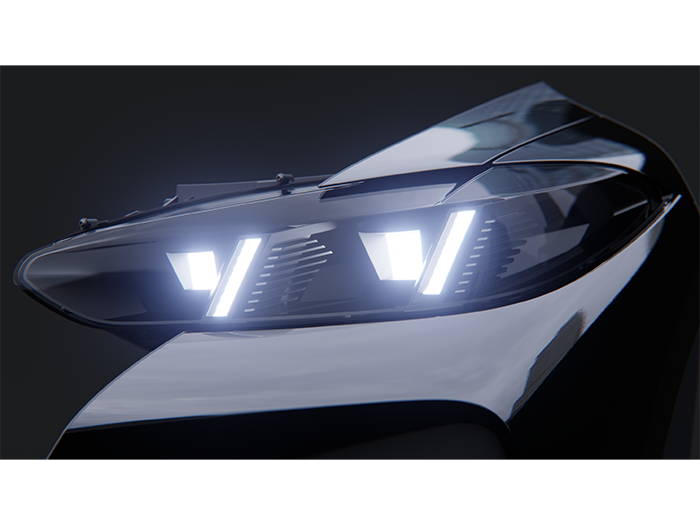
One Circular Headlamp: FORVIA HELLA wins the German Sustainability Award 2027
“One Circular Headlamp” considers the entire product life cycle, from material sourcing to repairability and recyclability.
FORVIA HELLA receives major series orders for highly integrated EnergyCore solutions
First series order for 3-in-1 high-voltage battery management: uniquely integrated system architecture.